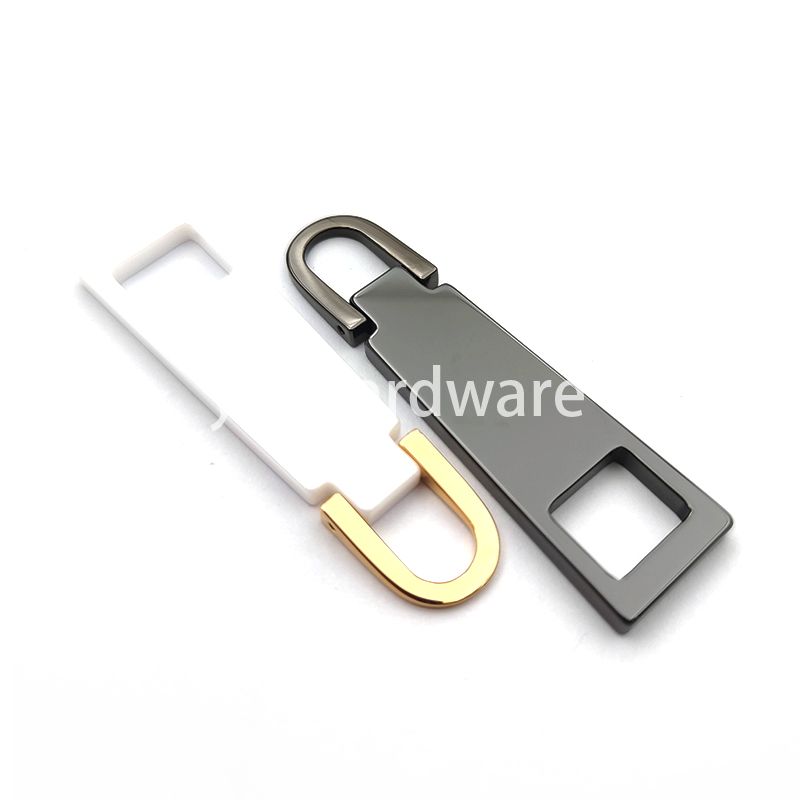
Stainless Steel: A Modern Upgrade for Leather Goods Hardware — Replacing Brass and Zinc Alloy with Strength, Precision, and Sustainability

In the luxury leather goods industry, hardware (such as buckles, clasps, logo plates, and chains) is not just a functional component—it’s a key element that defines a brand’s quality, durability, and aesthetic. For decades, brass and zinc alloy have been the go-to materials for these parts. However, with the rise of advanced stainless steel manufacturing, an increasing number of premium brands are making the switch. This shift isn’t just about replacing one material with another; it’s about elevating product performance, aligning with sustainability goals, and meeting modern consumers’ demands for long-lasting luxury.
1. Material Properties: From Traditional Metals to Modern Precision
Brass and zinc alloy have long been favored for their malleability and initial aesthetic appeal, but they come with inherent limitations that stainless steel addresses head-on.
Key Advantages of Stainless Steel Over Brass & Zinc Alloy

Superior Durability Stainless steel boasts a hardness of 200–500 HV (Vickers Hardness), nearly three times that of brass (around 70–90 HV) and significantly higher than zinc alloy (around 80–100 HV). This makes it highly scratch-resistant—critical for hardware that endures daily use (e.g., belt buckles, bag clasps) and maintains a pristine appearance over time.
Oxidation & Corrosion Resistance Unlike brass, which tarnishes easily when exposed to sweat, moisture, or cosmetics, and zinc alloy, which is prone to pitting and fading, stainless steel (especially 316L grade) is inert. It retains its color and structure without requiring frequent maintenance, eliminating the need for re-plating or touch-ups.
Color Stability Brass and zinc alloy rely on electroplating to achieve desired finishes (e.g., gold, silver), but this coating often wears off over time. Stainless steel’s natural color or PVD-treated finish is far more stable, ensuring hardware looks consistent from purchase to long-term use.
For luxury leather goods brands, these properties translate to fewer returns due to hardware damage, higher customer satisfaction, and a stronger brand reputation for quality.
2. Technological Advancements and Surface Treatment Breakthroughs
The widespread adoption of stainless steel in leather goods hardware is made possible by two key technological advancements: precision machining and advanced surface treatment.
Precision Machining: Meeting Luxury’s Exacting Standards. Traditional brass and zinc alloy are easy to cast and machine, but they struggle to achieve the ultra-fine details that define high-end hardware. Stainless steel, once considered difficult to process due to its hardness, now benefits from CNC precision machining (Computer Numerical Control) and MIM (Metal Injection Molding). At Yibi, for example, we use state-of-the-art CNC equipment to achieve tolerances as tight as 0.01 mm—enabling intricate engravings, sharp edges, and consistent sizing across batches. This level of precision ensures stainless steel hardware matches the refined aesthetic of luxury leather goods, from minimalist logo plates to complex buckle designs.
PVD Surface Treatment: A Sustainable Alternative to Electroplating Brass and zinc alloy typically rely on electroplating to enhance their appearance, a process that generates harmful chemical waste and requires frequent reapplication. Stainless steel uses Physical Vapor Deposition (PVD), a more advanced and eco-friendly technique:
• Durability: PVD coatings form a dense, thin layer (just a few micrometers thick) that bonds tightly to the stainless steel surface. This coating is 5–10 times more wear-resistant than traditional electroplating, withstanding scratches, friction, and environmental exposure.
• Aesthetic Versatility: PVD allows stainless steel to mimic the look of brass (warm gold tones), silver, or even rare metals (e.g., rose gold, black nickel), offering brands the same design flexibility as traditional materials—without the durability tradeoffs.
• Sustainability: PVD produces minimal waste and uses low temperatures, aligning with luxury brands’ growing ESG (Environmental, Social, Governance) goals. This is a critical advantage as consumers increasingly prioritize sustainable manufacturing practices.
3. Cost & Efficiency: Redefining Value in Luxury Hardware
At first glance, stainless steel may have a slightly higher raw material cost than zinc alloy (and comparable to brass). However, when considering the full lifecycle of the hardware, stainless steel offers significant cost savings and operational efficiency.
Lower Total Cost of Ownership • Reduced Plating & Maintenance Costs: Brass and zinc alloy require regular electroplating to maintain their appearance, adding to production time and expenses. Stainless steel (especially when paired with PVD) eliminates this step, reducing long-term costs.
• Higher Yield Rate: Stainless steel’s durability during machining means fewer defects and less material waste. Brass and zinc alloy, by contrast, are more prone to cracking or warping during processing, leading to higher rejection rates.
• Fewer Customer Returns: Hardware damage (e.g., tarnished brass, faded zinc alloy) is a common cause of returns for leather goods. Stainless steel’s longevity reduces these returns, saving brands the cost of replacements and protecting brand loyalty.
Streamlined Production Processes Stainless steel’s compatibility with automated machining (e.g., CNC) allows for faster, more consistent production—critical for brands handling high-volume orders. Unlike brass, which may require multiple polishing steps, stainless steel can be polished directly to a mirror finish, shortening production lead times from weeks to days. For brands launching new collections or responding to market demand, this efficiency is a game-changer.
4. Market Evolution: From “Replacement Material” to Strategic Choice
A decade ago, stainless steel was seen as a niche alternative to brass and zinc alloy in luxury leather goods. Today, it has become a strategic choice for brands looking to differentiate themselves through quality, sustainability, and innovation.
Consumer Demand Drives Adoption. Modern luxury consumers are no longer satisfied with “disposable luxury”—they want products that last. A 2023 survey by luxury market research firm Bain & Company found that 65% of luxury leather goods buyers consider “durability” a top purchasing factor, up from 45% in 2018. Stainless steel hardware directly addresses this demand, positioning brands as thoughtful and customer-centric.
Brand Differentiation Through Innovation
Brands like Hermès, Prada, and LOUIS VUITTON have already integrated stainless steel hardware into their core collections, using its strength and versatility to create iconic designs (e.g., stainless steel buckles for leather belts, corrosion-resistant logo plates for tote bags). For emerging brands, stainless steel offers an opportunity to compete with established players by emphasizing modernity and reliability.
Sustainability as a Competitive Edge
As luxury brands face increasing pressure to reduce their environmental footprint, stainless steel’s eco-friendly properties (recyclable, low-waste production) have become a key selling point. Unlike brass, which requires mining and extensive processing, stainless steel can be recycled repeatedly without losing quality—aligning with circular economy goals.
Executive Insight
Global luxury brands are redefining material strategies for the next decade. As the cost of brass and zinc alloys continues to rise and ESG requirements tighten, stainless steel is emerging as the optimal solution — combining durability, aesthetics, and sustainability. Yibi, with over 15 years of experience in precision manufacturing, leads this transformation with scalable stainless-steel solutions tailored for high-end leather goods.
Conclusion
The shift from brass and zinc alloy to stainless steel in leather goods hardware is more than a material substitution—it’s an evolution of what luxury means in the modern era. Stainless steel combines strength, precision, sustainability, and aesthetic versatility, enabling brands to create products that are not only beautiful but also durable, low-maintenance, and aligned with consumer values.
For manufacturers like Yibi, this transition represents an opportunity to partner with brands on their journey toward excellence. By leveraging advanced machining and surface treatment technologies, we help turn stainless steel into a competitive advantage—one that elevates both the product and the brand.
As the luxury leather goods industry continues to evolve, stainless steel is no longer just an alternative to traditional metals—it’s the future of high-quality hardware.